
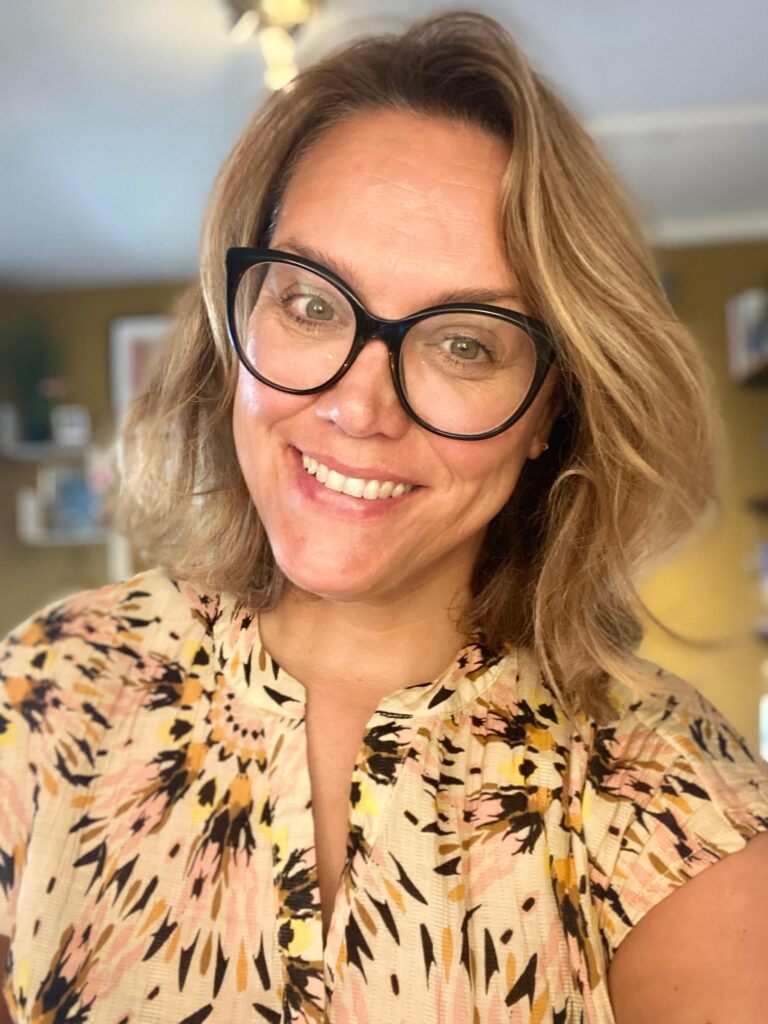
[Guest blog by Karin Enfield-de Vries]
As a child, I assumed that one day I would become a mother. It wasn’t a dream I questioned; it simply felt like part of the life ahead of me. I grew up in a loving family, built a career, met my life partner and moved through my twenties and early thirties with a sense of trust in how life would unfold. In my early thirties, that certainty quietly disappeared.
After years of unexplained symptoms and inconclusive tests, I was diagnosed with cervical cancer. Within weeks, my uterus was removed. I was 33 years old. The surgery saved my life and at the same time, irrevocably changed it.
I recovered physically and was declared cancer-free. I focused on healing, on regaining strength, on moving forward. I survived. And yet, when treatment ended, I discovered that survivorship was far more complex than I had imagined.
Alongside cancer, I had lost my fertility and the future I had quietly assumed would be mine. That loss was rarely spoken about. There was care and support around surviving cancer, but little space for the grief that followed; the grief of identity, of possibility, of a life that would not come to be.
Like many survivors, I adapted. I stayed busy; I worked hard, travelled, set new goals and built a life that looked full and successful. For a long time, that worked. Grief can remain hidden when there is movement, achievement, and distraction…
Until it doesn’t.
Several years later, in an ordinary moment, something in me finally stopped running. The grief I had kept at a distance made itself known. Not as something dramatic, but as something honest and unavoidable. It was then that I understood that surviving cancer had been only the beginning, living after cancer required something else entirely.
I had to learn how to acknowledge what had been lost, without allowing it to define me.
Through that process, my understanding of survivorship changed. I began to see that resilience is not about pushing forward or “staying positive,” but about allowing space for what is true. Grief does not sit opposite hope; it often makes hope possible. When loss is acknowledged, meaning can emerge.
Over time, and with the right support, I learned how to live alongside my loss rather than resist it. My life did not return to what it once was, but it became honest, grounded and deeply meaningful in new ways.
Today, my personal experiences and my professional work have come together. I work with people and teams navigating complex change, loss and transition. I speak openly about the less visible aspects of survivorship; the identity shifts, the hidden grief and the long-term impact of cancer beyond treatment.
Survivorship, to me, is not a finish line, it is an ongoing process of becoming. It asks us to integrate what we have lived through, to honour what was lost and to move forward with awareness and compassion, for ourselves and for others.
Life after cancer may look different than expected. It may include grief, uncertainty and moments of profound change. But it can also hold connection, purpose and growth. There is life after cancer, not because we forget what was lost, but because we learn how to live truthfully with it.
That is why I share my story. And that is why I am proud to contribute to conversations about survivorship, in all its complexity, humanity, and hope.
As a cervical cancer survivor and founder of Pure Transformations, Karin combines lived experience with expertise as a grief and loss counselor and change management consultant. After a radical hysterectomy at age 33 and navigating permanent childlessness, she now helps others find meaning and strength through profound change. Speaking on survivorship, hidden grief, resilience, and identity after loss, Karin blends authenticity, compassion, and practical strategies to guide individuals and organizations toward healing and renewal. Find her on PureTransformations.org.
Karin is part of the Official NCSD Speakers Bureau Roster.
